Preserve your paintings sleep schedule color matches eye health employee focus
Climate change concerns prompted increased
energy regulations, particularly in the EU. This
lead to the forced phasing out of incandescent
and halogen bulbs like SoLux, and ushered
in the age of LEDs. Modern LEDs did deliver
on the promise of cheap and energy efficient
lighting, but at the cost of painting damage and
negative health effects. Art research published
in the Belgian De Stadaard confirmed what
many other museums were experiencing: “The
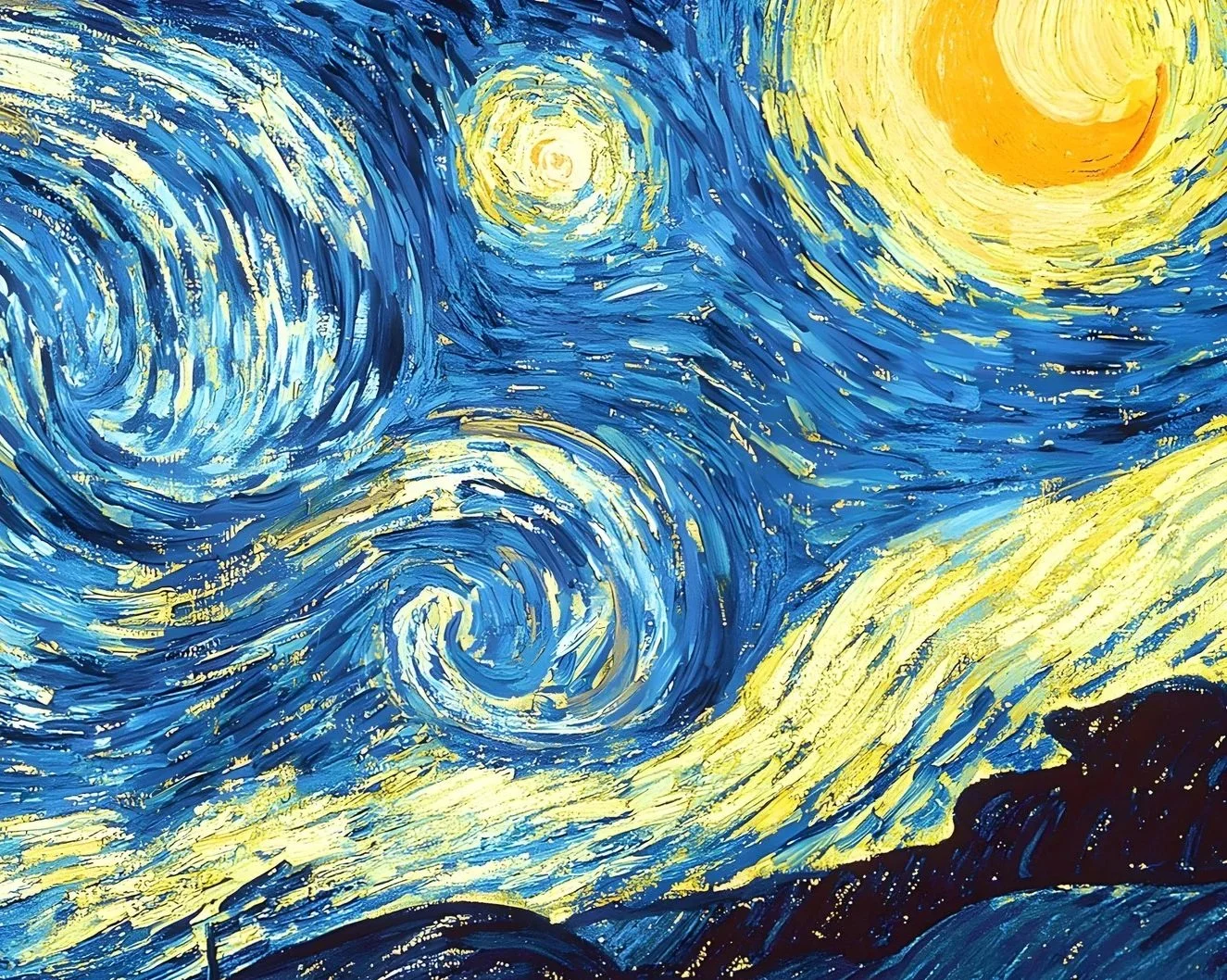
yellow paint work of masters such as Van Gogh
is affected by the LED lamps in museums”; and
Belgian physicist and chemist Koen Janssens
researched this painting damage alongside
the University of Antwerp and Italy’s Perugia
University before concluding that
“…[curators] should light their museums differently.”
Kevin McGuire, a former Eastman Kodak optical engineer and lifelong inventor, first created the SoLux lightbulb, a light source capable of mimicking sunlight with a highly accurate (97+) color rendering but without any of the damaging UV and IR rays. These lights became the gold standard of ultra-high grade lighting, with early adopters like the Musée d’Orsay converting their lights to SoLux and museum director Guy Cogeval declaring that “The Five Cathedrals by Monet have never looked so fantastic.” The Independent published reports on the effects of SoLux lighting on Van Gogh paintings that described the lighting as “high-tech radiance that shines down” on the masterpieces to make it appear “naked, new and endless... [with] the slightest variation in color density, the plasticity or patterning of brush strokes, even the micro-thin shadow lines… the effect is electrifying: the paint looks still wet; one waits for a waft of linseed.” SoLux technology ended up everywhere from the Netherlands’ Van Gogh Museum to DC’s Guggenheim to Taiwan’s National Palace Museum. Soon after, the demand for SoLux spread to the worlds of medical professionals, jewelers, and fine retailers like
Rolex, Van Cleef & Arpels,
and Gucci.
The market shifted towards LEDs and brought with them their excessive levels of piercing, high-energy “blue” light. Harvard Health Publishing admitted that while “…it is environmentally friendly, blue light can affect your sleep and potentially cause disease.” The same blue light that breaks apart paint pigments also penetrates deep into the human eye to affect the nervous system, hormone regulation, focus, and mood – making it particularly useful to attention-grabbing industries like casinos and smart devices. The Harvard publication on blue light shared the same findings as other reports, like the American Medical Association and their Council on Science and Public Health revealing that with blue light “…some evidence supports a long-term increase in the risk for cancer, diabetes, cardiovascular disease, and obesity.”
With museum standards and human health in mind, SoLux inventor then developed the current line of Güudlight products - energy efficient LEDs that deliver the same gold-standard lighting of SoLux originals